8 Things Every Small Business Website Needs
If you run a small business, no matter what you do or where you’re located, you need a website. Small business websites are crucial for online visibility, branding, and driving sales, but only if you've got good web design.
To make a high-quality website for your business, you need to know what core features to include. This post discusses the essential elements that should always be at the forefront of your small business website design.
Whether you’re launching your first small business website or going through a rebrand, your website has to be perfect. Keep reading, and we'll show you how to make it happen. 1. Good Domain Name
Your web address is as important as the address at your brick-and-mortar location. It should be concise and easy to remember, yet descriptive enough to convey what you do.
A domain name should also be easy to spell. If your visitors misspell your web address, you risk losing out on leads and customers.
Registering your domain is the first step when launching your business website, so take your time and choose a memorable, long-term domain. 2. Professional Design
First impressions matter, even when people are looking for your business online.
The best way to make a good impression on your visitor is to have a clean, professional-looking website that shows them what you do.
When it comes to design, having visual elements that represent your brand and what you offer is important. Including eye-catching images and videos on each page of your site will help you hold visitors' attention throughout their visit.
However, you have to strike the right balance between functionality and attractiveness.
If you include too many images or videos, you risk slowing your page load times. When your site takes too long to load, you'll lose users. 3. Easy Navigation
Clarity is an underrated aspect of website design, yet essential to the user experience (UX).
When a consumer visits your website, you've only got a few seconds to capture their attention.
Without simple and effective navigation that accounts for UX, they'll go elsewhere.
To make a user-friendly site, you have to think like the consumer. Most likely, they're on your page because they're looking for products or services that you offer.
It should always be easy to find this type of information with a few quick clicks.
The way you set up your menus and landing pages determines how navigable your site will be. Navigation should be clear and concise. If your website is confusing, it's failing you and your customers. 4. Mobile Friendliness
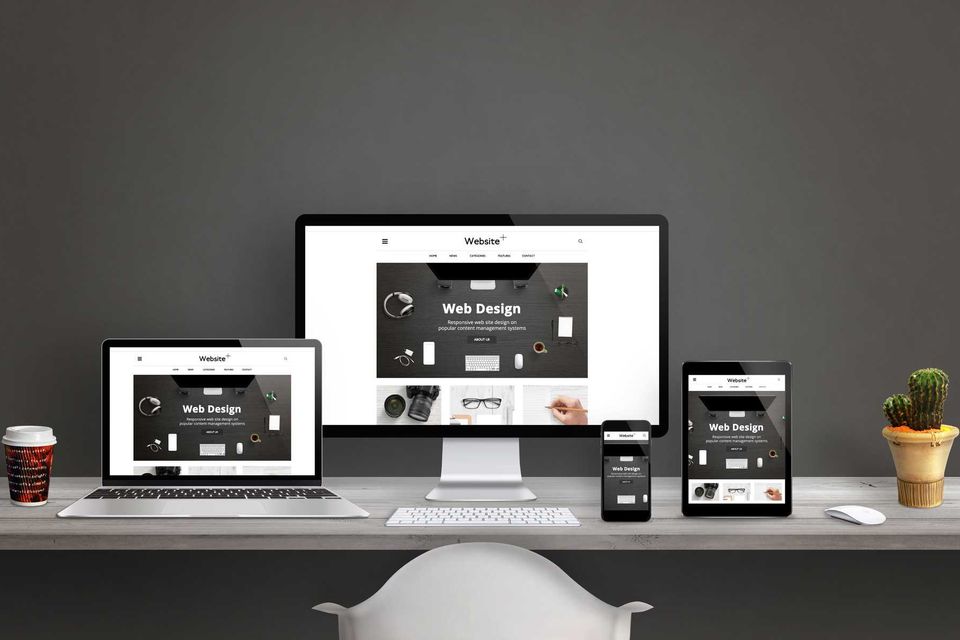
Approximately 70% of web traffic today comes from mobile devices. For that reason, your online platform should be responsive on all mobile devices.
Create a mobile-optimized site by experimenting with factors such as page size and menu formats. Navigating a mobile site should be simpler and more concise than a desktop site.
A good web designer will understand this and work with you to ensure your mobile site brings people in, not drives them away. 5. Clear Calls to Action
Each landing page on your site should include a call to action that prompts your visitors to take a specific action.
The action could be anything from filling out a contact form to signing up for your company newsletter. The call should be a simple, persuasive statement that makes it clear what you want the customer to do next.
Put some thought into each action that you want the customer to take and how you can word your CTA. CTAs should have an immediate impact on lead generation and revenue, so experiment until you start to see tangible results. 6. Search-Friendly Content
Strong search engine optimization (SEO) is an important byproduct of having a good website. When your website appeals to SEO criteria, you'll rank higher on Google searches.
You always want to be the business that shows up on the first page of the SERP.
There's a lot that goes into SEO, but one of the most important factors is your content. Search-friendly content uses the right keywords for your niche, but it must also engage readers.
With a steady stream of entertaining and informative content, you'll make an impression on your visitors and give them a reason to come back. You can also inject CTAs in your content to direct them to other landing pages. 7. Accessible Contact Info
Never make it difficult for people to contact you. Your site should include a dedicated tab that directs users to a contact page, featuring your address, phone number, email, social media accounts, and a lead-generation form.
Make sure to reference and link to your contact page as often as possible on other landing pages. You can take it a step further and include contact information in the header, footer, or sidebar of other pages. 8. Testimonials
90% of customers trust reviews and testimonials more than a business's own claims.
It's important to include a testimonials section on your website so new visitors can see what other customers are saying about you.
Anytime you have a happy customer, urge them to leave you a positive review to use as a testimonial.
Not only will this help build trust with new customers, but the more reviews you have on other listing sites, the better it is for your SEO rankings. Need Help With Your Small Business Website Design?
Now that you know what aspects of web design are most crucial for small business websites, it's time to discuss the importance of a professional web designer. A good web design company will ensure your business site helps you, not hinders you.
At our agency, we build beautiful small-business websites that are SEO-optimized, mobile-ready, and provide real-time traffic stats. The best part is that we offer a 100% satisfaction guarantee.
Our process is simple. First, we learn a bit about your business, then we start working on your design ASAP. Once you approve the design, we connect you to your domain and start helping you complete and launch your site.
Contact us today to learn more about our process and to get started on your new business website.