Skip to content
Web design g0095d4467 1920

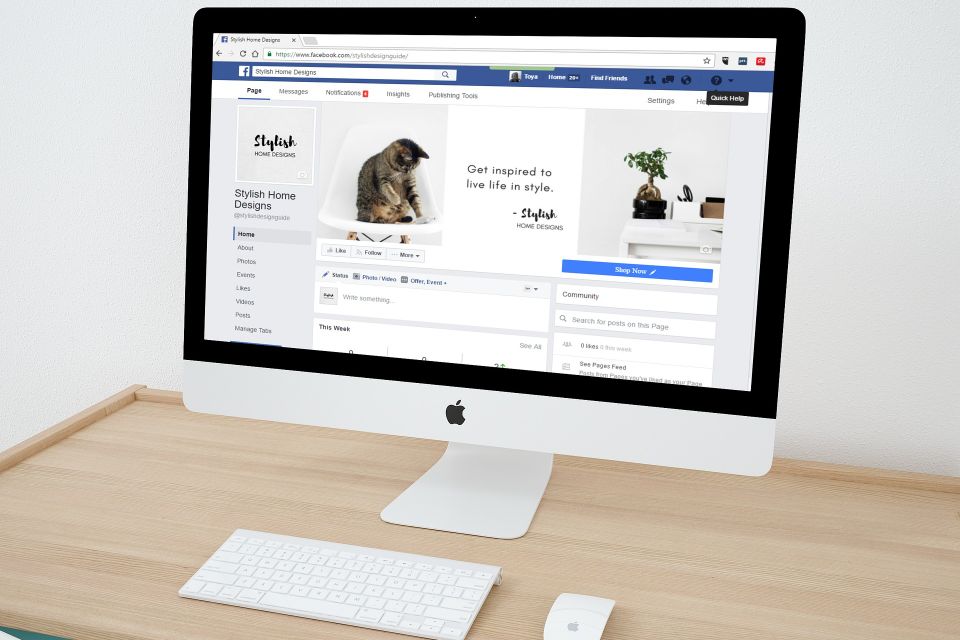
Why a Facebook Page is Not a Substitute for a Website

Many small business owners rely on Facebook as their primary online presence. It feels easy, familiar, and “good enough.”

But if your business depends on Facebook alone, you’re giving up control, visibility, and real lead-generation opportunities.

Yes, a Facebook page can support your marketing, but it cannot replace a professional website.

This article explains why a Facebook page falls short, what a website does better, and how service businesses use a conversion-focused website to turn visitors into phone calls and booked jobs.


The Core Problem With Relying on Facebook Alone


Facebook is basically a rented platform. Your website though is an owned asset.

When Facebook changes its algorithm, layout, rules, or reach, your visibility can drop overnight or worse, disappear!

With a website, you OWN and CONTROL your online presence, including your content, messaging, and calls to action.

This matters most for businesses that rely on consistent inbound leads from search engines and local visibility.


10 Reasons a Facebook Page Is Not a Website


1. You Don’t Own the Platform


Facebook can suspend, limit, or remove your page at any time. A website lives on your domain and works for you 24/7 without permission from a third party.

A professional website for your service business gives you full ownership and stability instead of relying on a platform you don’t control.


2. Limited Search Visibility


A Facebook page usually ranks only for your business name.

A website, on the other hand, can rank for searches like:

 
  • “plumber in Castle Rock”
  • “HVAC repair near me”
  • “roof replacement Castle Rock”

This type of visibility comes from proper local SEO, not from social media alone.

Google explains how websites support long-term search visibility in its Google’s SEO Starter Guide.


3. Poor Conversion Control


On a website, you control:
 
  • Page layout
  • Call-to-Action (CTA) placement
  • Forms, buttons, and tracking

On Facebook, visitors are bombarded with ads, notifications, and other distractions that divert attention from your business.

A well-designed website can turn website traffic into phone calls, rather than letting visitors drift away.

If you want to see what that looks like in practice, you can see how a conversion-focused website works with a real example.


4. Weak Trust Signals


Customers these days expect established businesses to have a website.

A website allows you to clearly show:

 
  • Services
  • Reviews and testimonials
  • Guarantees
  • Certifications
  • Before-and-after photos

These trust signals help visitors feel confident before they ever pick up the phone.
 

5. No Real Funnel or User Journey


So what is a "funnel" or "user journey?"

A funnel, or user journey, is the planned path a visitor follows on your website—from their first click to the moment they take action.

It guides people step by step:
  • Helps them quickly understand what you do
  • Builds trust and confidence
  • Makes the next step obvious, whether that’s calling, booking, or requesting a demo

Without a funnel, visitors have to figure things out on their own and often leave.

With a funnel, your website guides visitors and converts more of them into leads because a website creates a logical flow:

Home → Services → Proof → Contact

Facebook doesn't allow you to control how visitors move through information or take action. They have the control.

This hurts a company when it’s used as the primary website because it disrupts the decision-making process that customers naturally rely on.


6. Limited Analytics and Tracking


With a website, you can track:
 
  • Where visitors come from
  • Which pages they view
  • What leads to calls or form submissions

Facebook does provide some data, but not the full customer journey.
 

7. You Compete for Attention on Facebook


Even when someone visits your Facebook page, they’re one click away from:
 
  • Competitors
  • Viral videos
  • Ads
  • Messages

Your website keeps visitors focused on your business.


8. Branding Is Restricted


Website branding matters because it shapes first impressions and trust.

People decide in seconds whether a business feels professional and credible.

Strong, consistent branding makes your company look established, builds confidence, and helps you stand out from competitors.

Weak branding creates doubt and causes visitors to leave before contacting you.

Facebook limits layout and structure, making it harder to stand out.


9. Credibility With Higher-Value Customers


Discerning customers making serious buying decisions often check for a website first.

Your website reassures them you’re real, established, and worth contacting.

If it’s missing—or looks unprofessional—they quietly keep searching.


10. Long-Term Marketing Value


A website compounds value over time because:
 
  • Blog posts keep working for you – Once they rank in Google, they can bring in new leads long after they’re published.
  • Each page builds credibility and authority – Quality pages help your business rank higher and give customers more confidence in choosing you.
  • Your content strengthens all marketing – A solid website improves SEO and makes ads more effective by sending visitors to a trusted site.

Facebook posts lose visibility quickly. It's like a waterfall: it starts at the top, then cascades down, and is gone. Facebook acknowledges that its business pages have visibility limitations.

All the more reason to invest in a website.


Where Facebook Does Fit


This comes down to Facebook working best as a support channel, not as the foundation.

Use Facebook to:

 
  • Share updates
  • Build awareness
  • Engage existing customers

But use your website to:
 
  • Rank in Google
  • Capture leads
  • Convert visitors into calls
 

The Smart Approach for Service Businesses


The most effective setup is:
 
  • Website = Home Base
  • Facebook = Traffic and Engagement

Your website does the heavy lifting. Facebook supports it by directing potential clients to your site where you show them the real you.


Ready to See What a Real Website Can Do?


If you’re relying on Facebook and wondering why leads are inconsistent, the issue usually isn’t effort — it’s structure.

You don’t need a massive site.

You need a service business website that converts visitors into calls.


Get a Free Website Demo


If you want to see how this would work for your business, get your free website demo to see how your site could be structured to generate leads.

GET YOUR FREE WEBSITE DEMO

Interested in seeing how your new website can look? Contact us today to request your FREE no-obligation website mockup.
Get Your Free Website Demo